Chinese Culture
Hello eveybody! My names is Andres Del Rio, I’m 18 years old, I’m majoring in Geology and this is my third semester in Uninorte. I live in Soledad with my parents, my brother and my pet called Cody. I consider myself a respectful, kind and cheerful person. I really love animals and I always try to take care of the enviroment. My hobbies are practice calisthenic and watch series. My favorite food is spaghetti. I don’t have favorite music, film, serie or even color, I just feel like a enjoy all of them.

My vision about chinese culture
China is a country with an extensive territory and a high number of inhabitants, due to this, it has a big culture that gathers a variety of traditions, which have been preserved since the origin of Chinese civilization. It is one of the world’s oldest culture and every region own a particular style (dialect, gastronomy, traditions, etc) based on the essence of their culture. Chinese language, music, religion, dance, literature, philosophy architecture, festivals, and history have global influence, for these reasons I consider it an interesting and important culture.
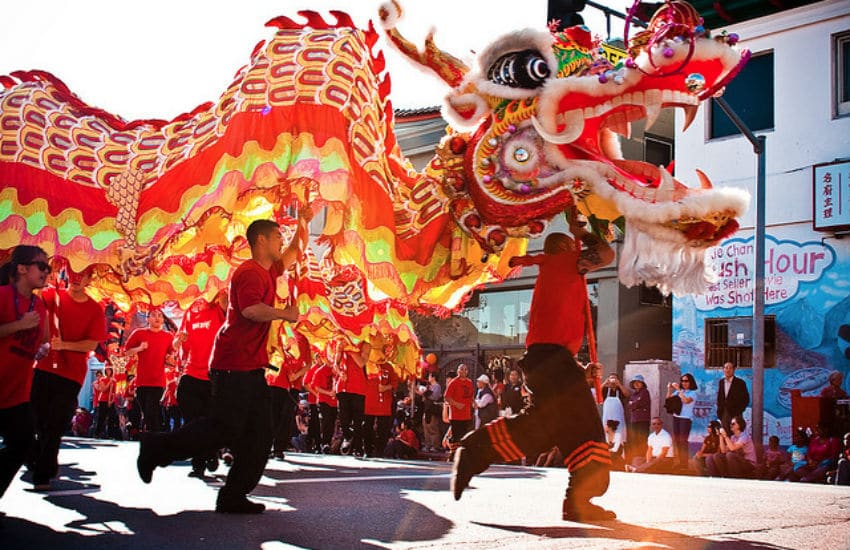
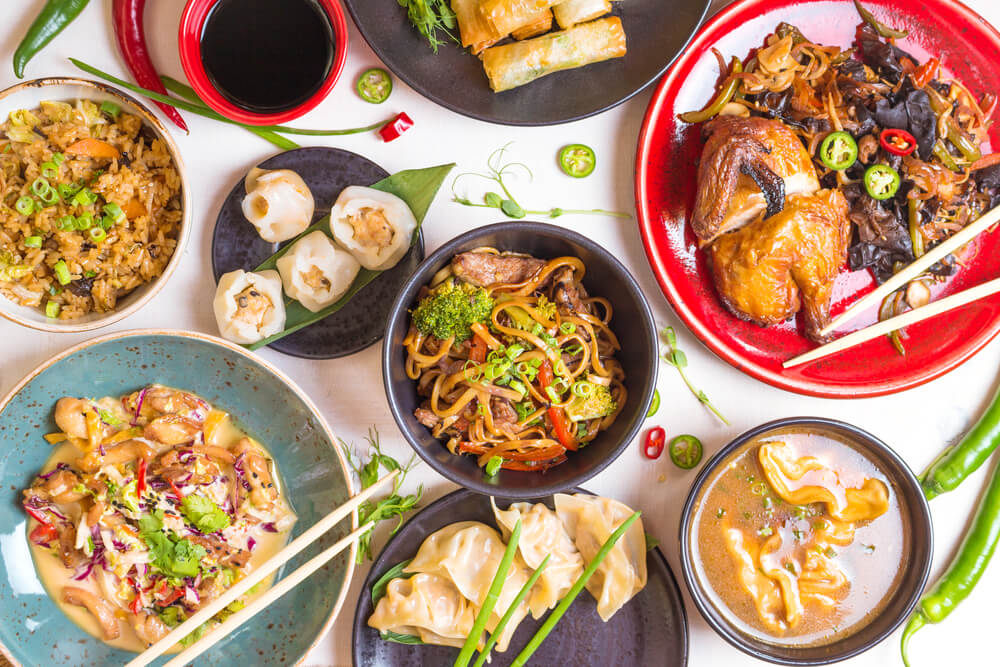
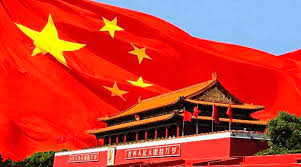
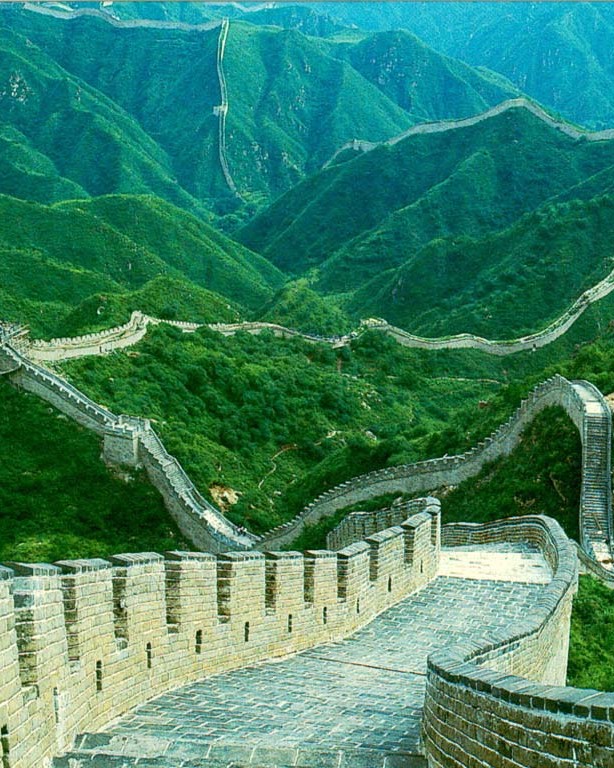
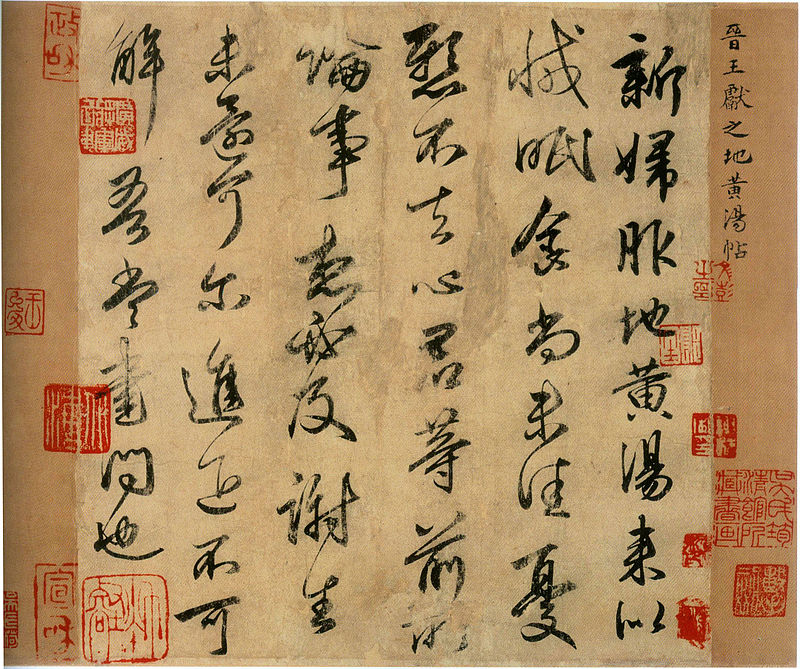
Some cultural aspects
Religion:
The nation is officially atheist. Currently, there are five religions: Buddhism, Taoism, Confucianism, Islam, and Christianity. Any religion other than are illegal, even though the Chinese constitution states that people are allowed freedom of religion.
Language:
There are seven major groups of dialects of the Chinese language, which each have their variations. Mandarin dialects are spoken by 70% of the population, followed by Wu (9%), Cantonese (5%), Xiang (5% percent), Min (4% percent), Hakka (4%) and Gan (3%). The official national language of China is Pŭtōnghuà, a type of Mandarin spoken in Beijing. Many Chinese are also fluent in English.
Chinese dialects are very different. The Chinese dialectal complex is in many ways analogous to the Romance language family in Europe.
Arts:
Chinese art is greatly influenced by the country’s rich spiritual and mystical history. Many sculptures and paintings depict spiritual figures. Some style martial arts were also developed in China, and it is the birthplace of kung fu. Ancient Chinese were known as writers and philosophers.
Stereotypes
One often makes many generalizations based on incomplete evidence about Chinese persons. Some of them are related to the facial feature that characterizes Asian people, thinking that everybody is identical to another. Also, people use to think Chinese citizens eat dog, cat and rat meat. Even, we assume that all the products made in China have poor quality or are a copy of another famous product.
Other common stereotypes are that the Chinese only eat rice and drink tea in every food and they are kung fu masters.
Gender stereotypes
An archetypal Chinese feminine beauty is modest and virginal. The image they want to portray is that they are not weak, submissive or waiting to be rescued. It’s really about expressing themselves so they feel more empowered as modern, confident women.
China, as well as Colombia, have similar gender inequality. The traditional Chinese family is patriarchal. This view regulates gender roles and divisions of labor in the family, where men usually control valuable resources and assets. Although women gained significantly greater opportunities for work, they have borne a disproportionate share of its costs. The typical stereotype is that women are expected to be family caregivers.
In China, the purpose of women’s education was to reinforce their subordinate status and ensure that they obeyed rules made by men. Also, Women face significant pressures from their families during their twenties to quit working and get married.
Women Stereotypes:
1. 小清新 xiǎo qīng xīn:
They are young women who are artsy, graceful. And privileged enough to have refined tastes in food, travel, music, and lifestyle. They prefer clothes in whites and pastels, and give off a vibe of fresh, youthful energy.
2. 白富美 bái fù měi
It describes the Chinese beauty standard for a girl to be pale, rich, and beautiful. The characters 白富美 literally refer to “white,” “rich,” and “beautiful.


Men Stereotypes
- 高富帅 gāo fù shuài
It is a term that originated on the internet referring to an ideal guy to date. It literally means “tall,” “rich,” and “handsome”. Most importantly, they should have refined manners and behave like a gentleman
2. 屌丝男 DIǍOSĪNÁN
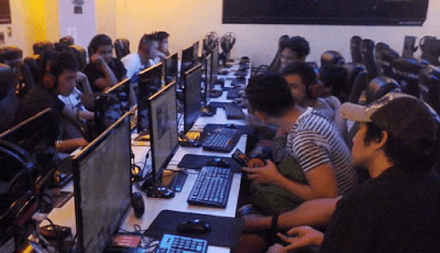
It means the opposite of gāo fù shuài. They are the guys who are not very popular romantically, struggle to find a high-paying job, and choose to spend most of their time playing video games or browsing the internet.

Hofstede model: China Vs Colombia
Cultural stereotypes help to understand common patterns typical to national cultures. The national culture is the basement of the personality and explains a lot of the behavioural pattern of an individual.
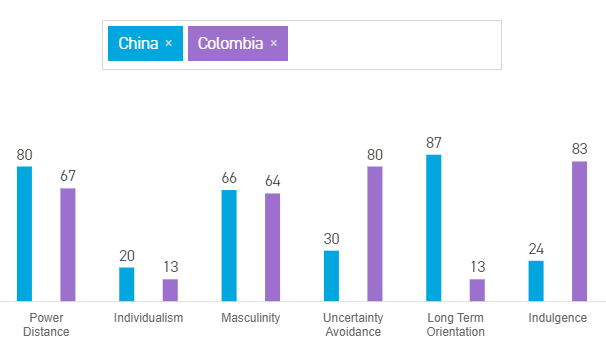
• Power Distance (PDI): the extent to which power differences are accepted;
- At 80 China sits in the higher rankings of PDI – i.e. a society that believes that inequalities amongst people are acceptable. The subordinate-superior relationship tends to be polarized and there is no defense against power abuse by superiors. People should not have aspirations beyond their rank.
- At 67 Colombia scores high on the scale of the PDI, so it is a society that believes that inequalities amongst people are simply a fact of life. This inequality is accepted in all layers of society.
• Individualism / Collectivism (IDV): the extent to which a society emphasises the individual or the group;
- At a score of 20 China is a highly collectivist culture where people act in the interests of the group and not necessarily of themselves. Personal relationships prevail over task and company.
- At a score of 13 Colombia is amongst the lowest Individualist scores; in other words, it lies amongst the most collectivistic cultures in the world. Combined with the high PDI, this means that groups often have their strong identities tied to class distinctions. At the same time, conflict is avoided, in order to maintain group harmony and to save face. Relationships are more important than attending to the task at hand, and when a group of people holds an opinion on an issue, they will be joined by all who feel part of that group.
• Masculinity / Femininity (MAS): refers to the general values in the society – hard / soft values;
- At 66 China is a Masculine society –success oriented and driven. The need to ensure success can be exemplified by the fact that many Chinese will sacrifice family and leisure priorities to work. Leisure time is not so important. Another example is that Chinese students care very much about their exam scores and ranking as this is the main criteria to achieve success or not.
- At 64 Colombia is a Masculine society – highly success oriented and driven. Colombians are competitive and status-oriented, yet collectivistic rather than Individualist. This means that competition is directed towards members of other groups (or social classes), not towards those who are perceived as members of your own in-group.
• Uncertainty avoidance (UAI): refers to the extent that individuals in a culture are comfortable (or uncomfortable) with unstructured situations;
- At 30 China has a low score on Uncertainty Avoidance. Truth may be relative though in the immediate social circles there is concern for Truth with a capital T and rules (but not necessarily laws) abound. None the less, adherence to laws and rules may be flexible to suit the actual situation and pragmatism is a fact of life. The Chinese are comfortable with ambiguity; the Chinese language is full of ambiguous meanings that can be difficult for Western people to follow. Chinese are adaptable and entrepreneurial.
- At 80 Colombia has a high score on Uncertainty Avoidance which means that as a nation they are seeking mechanisms to avoid ambiguity. Emotions are openly expressed; there are (extensive) rules for everything and social conservatism enjoys quite a following. This is also reflected in religion, which is respected, followed by many and conservative. In work terms this results in detailed planning that may not necessarily be followed in practice. The combination of high UAI with the scores on the previous dimensions means that it is difficult to change the status quo, unless a figure of authority is able to amass a large group of people and lead them towards change.
• Long-term / Short term orientation (LTO): refers to the extent to which the delayed gratification of material, social, and emotional needs are accepted;
- China scores 87 in this dimension, which means that it is a very pragmatic culture. In societies with a pragmatic orientation, people believe that truth depends very much on situation, context and time. They show an ability to adapt traditions easily to changed conditions, a strong propensity to save and invest, thriftiness, and perseverance in achieving results.
- With a low score of 13, Colombian culture is classified as normative. People in such societies have a strong concern with establishing the absolute Truth; they are normative in their thinking. They exhibit great respect for traditions, a relatively small propensity to save for the future, and a focus on achieving quick results.
• Indulgence / Restraint (IVR): acceptance of enjoying life and having fun vs. controlling the life by strict social norms.
- China is a Restrained society as can be seen in its low score of 24 in this dimension. Societies with a low score in this dimension have a tendency to cynicism and pessimism. Also, in contrast to Indulgent societies, Restrained societies do not put much emphasis on leisure time and control the gratification of their desires. People with this orientation have the perception that their actions are Restrained by social norms and feel that indulging themselves is somewhat wrong.
- Scoring a very high 83 in this dimension, Colombia is shown to be an Indulgent country. People in societies classified by a high score in Indulgence generally exhibit a willingness to realise their impulses and desires with regard to enjoying life and having fun. They possess a positive attitude and have a tendency towards optimism. In addition, they place a higher degree of importance on leisure time, act as they please and spend money as they wish.
The Lewis Model
The Lewis model gives detailed analysis of every national culture from four factors point of view: general facts, culture, communication and interaction.
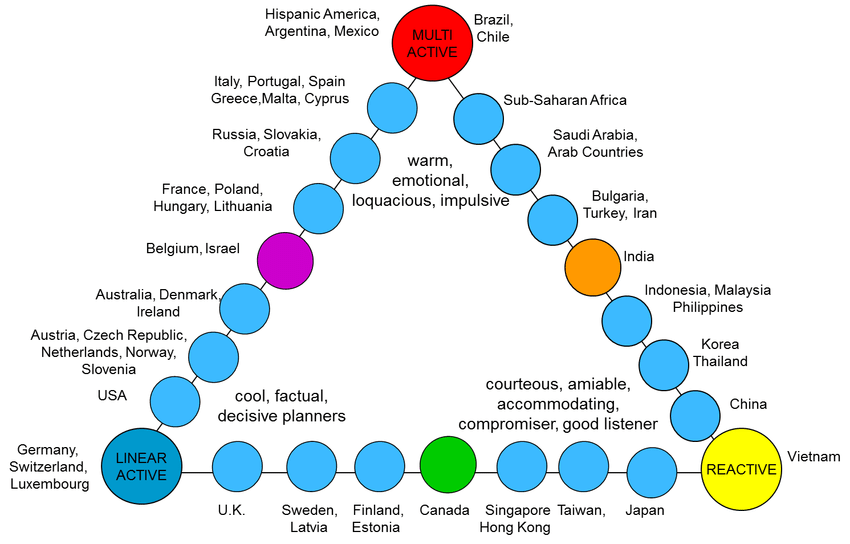
Chinese are reactive, on the other hand, Colombia is a multi-active culture. Among them, collective sources (internet, friends, family, and colleagues) of data have high importance in opinion building. Colombia Task execution is based on multitasking (several tasks in one chunk), in contrast with Chinese which is base on prioritization. in the concept of time: Chinese are very punctual and values good time-keeping; time is divided and used for maximum efficiency, but Colombians have some problem regarding punctuality. For that reason, a person who comes from China will have some difficulties when they work with people from here. Chinese are good listeners, say only that which is necessary; they repeat and summarise. In comparison with Colombians that are impulsive and extroverted in conversations.
Subcultures
A subculture is a group of people within a larger culture that differentiates itself through distinct beliefs, values, styles of clothing, or choices of music.
The Han:
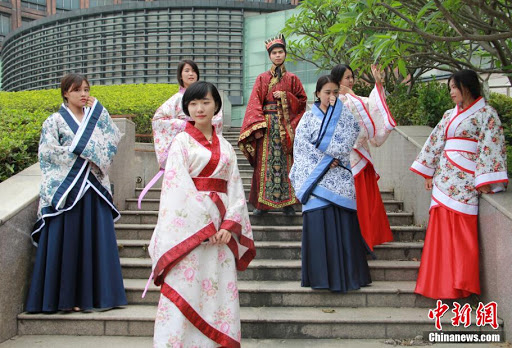
The Chinese government officially recognizes 56 ethnic groups in China, but the Han ethnicity make up the most (an estimated 92 percent of the total Chinese population).
The Han Chinese come from their ancestor the Huaxia, a name for the initial confederation of tribes living along the Yellow River, who gave birth to Chinese civilization. A particular subculture called the hanfu aims to preserved traditional Chinese culture.
Gaming Culture
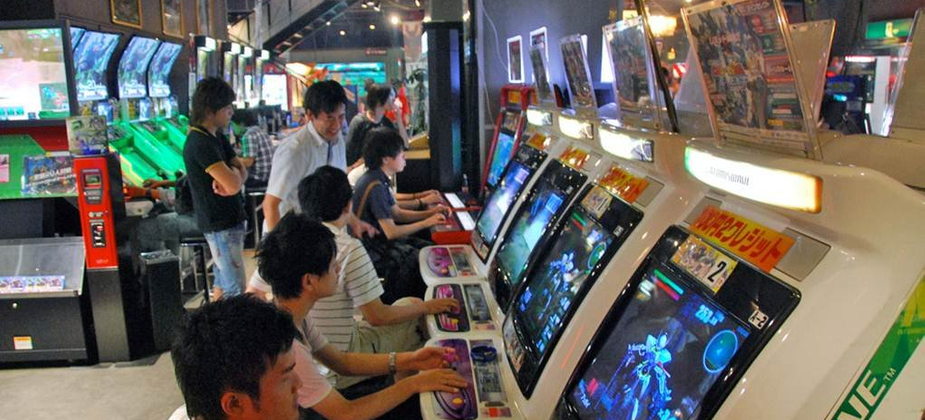
Video games are very popular in China. China has the largest video game market in the world. Pretty much all teenagers play some videogames constantly. In esports, China has been been the world leader in terms of tournament winnings, possessing some of the best talents in the world across multiple video games, as well as one of the largest pool of video gamers.
杀马特 (SHĀ MǍ TÈ)
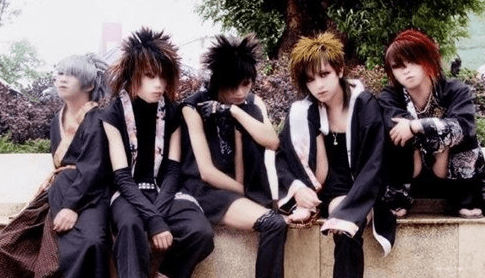
They characterize for use dark eyeliner, black clothes, and crazy spiked hair dyed red, yellow, and blue. This is one of China’s most popular, subcultures. They typically consist of rural transplants who only had a middle school education, working in urban low paying jobs at hair salons, internet cafes, or restaurants. They run in gangs. Their style might remind the “emo” trend.
Mi primera entrada de blog
«Sé tú mismo. Los demás puestos están ocupados.» — Oscar Wilde. Esta es la primera entrada de mi nuevo blog. Acabo de empezar a escribir este nuevo blog. ¡Mantente al día para leer más entradas! Suscríbete a continuación para recibir notificaciones cuando publique nuevo contenido.
Preséntate (entrada de muestra)
Esto es una entrada de muestra, originalmente publicada como parte de Blogging University. Regístrate en uno de nuestros diez programas y empieza tu blog con buen pie. Hoy vas a publicar una entrada. No te preocupes por el aspecto de tu blog. Tampoco te preocupes si todavía no le has puesto un nombre o si…
Sigue mi blog
Recibe nuevo contenido directamente en tu bandeja de entrada.
 Andrés David Del Rio Barrios